Autumn Festival Calendar
🎬 Watch videos📂 Browse
Autumn Festival Calendar Board



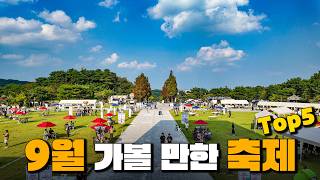
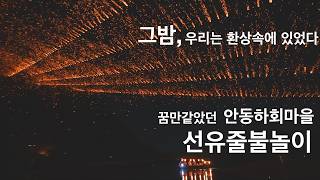
Autumn Festival Calendar — September-October 2026, Three Long Weekends Ahead
When planning the autumn festival season, the first thing to look at is not the list of festivals, but the calendar. In September and October 2026, there are three periods with three or more days off, and festivals cluster around these dates.
| Holiday Period | Date | Duration | Notes |
|---|---|---|---|
| Chuseok | Sep 24 (Thu)~27 (Sun) | 4 days | No substitute holiday |
| Gaecheonjeol (National Foundation Day) | Oct 3 (Sat)~5 (Mon) | 3 days | Oct 5 is a substitute holiday |
| Hangeul Day | Oct 9 (Fri)~11 (Sun) | 3 days | Friday is a public holiday |
In October, there are two three-day long weekends, spaced just a week apart. This structure forms the backbone of this year's autumn outings.
September — The end of summer overlaps with the beginning of autumn
Early September still sees late summer heat, and as the month progresses, eulalia and cosmos flowers begin to bloom. Autumn foliage is still early. This is a period when attire changes significantly from the Liberation Day long weekend, which was the last stretch of summer outings.
| Period | Festival | Location |
|---|---|---|
| Sep 5 | Seoul International Fireworks Festival | Yeouido·Ichon Hangang Park |
| Mid-Sep | Eulalia and Cosmos begin to bloom | Nationwide |
| Sep 24~27 | Chuseok long weekend | — |
The Seoul International Fireworks Festival takes place on September 5th around Yeouido Hangang Park and Ichon Hangang Park. With around 1 million people gathering annually, choosing a viewing spot is practically everything. Seats near the main stage in Yeouido fill up from the morning, and alternatives include Ichon across the river, Nodeul Island, or the south side of Wonhyo Bridge. On the day of the event, roads and subway stations around the Han River experience repeated controls and congestion, so it's better to avoid moving immediately after the event ends.
How to allocate the four days of the Chuseok long weekend is broken down by date in the Chuseok Outing Guide.
October — The month with the most festivals
| Period | Festival | Location | Confirmation Status |
|---|---|---|---|
| Oct 3~18 | Jinju Namgang Yudeung Festival | Jinjuseong Fortress·Namgang River area | Confirmed |
| Oct 17~18 | Grand Mint Festival | Olympic Park | Confirmed |
| Mid-Oct | Local festivals like Jipyeongseon Festival, Talchum Festival | Various regions | Check official announcements |
| Late Oct~Nov | Peak autumn foliage moves south | Nationwide | Depends on weather conditions |
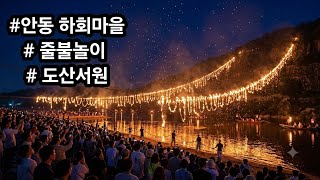
The Jinju Namgang Yudeung Festival will be held for 16 days from October 3rd to 18th. This schedule has been confirmed by Jinju City, and this year's theme is 'River of History, Embracing Peace.' It has also been selected as a world festival for 2026-2028. As the event primarily revolves around floating lanterns on the Namgang River at night, it is meaningful to visit after sunset, and thus preparation for nighttime temperatures is necessary.
The schedule starts on the first day of the Gaecheonjeol long weekend, continues past the Hangeul Day long weekend, and extends to the following weekend. This means both three-day long weekends fall within the festival period. However, those weekends will be the most crowded. If a weekday evening is possible, it will be much more relaxed.
The Grand Mint Festival will be held at Olympic Park on October 17th-18th. A 1-day ticket costs 132,000 won, and all seats are unassigned. It utilizes the 88 Lawn Field, KSPO DOME, and the lakeside stage. Information on performers and viewing tips for each stage is covered in the Autumn Stage Season section.
Choosing by type reduces the chance of disappointment
Autumn festivals have distinct characteristics. Starting with "Let's go to an autumn festival" makes the options too broad to decide, so it's faster to first determine the experience you want.
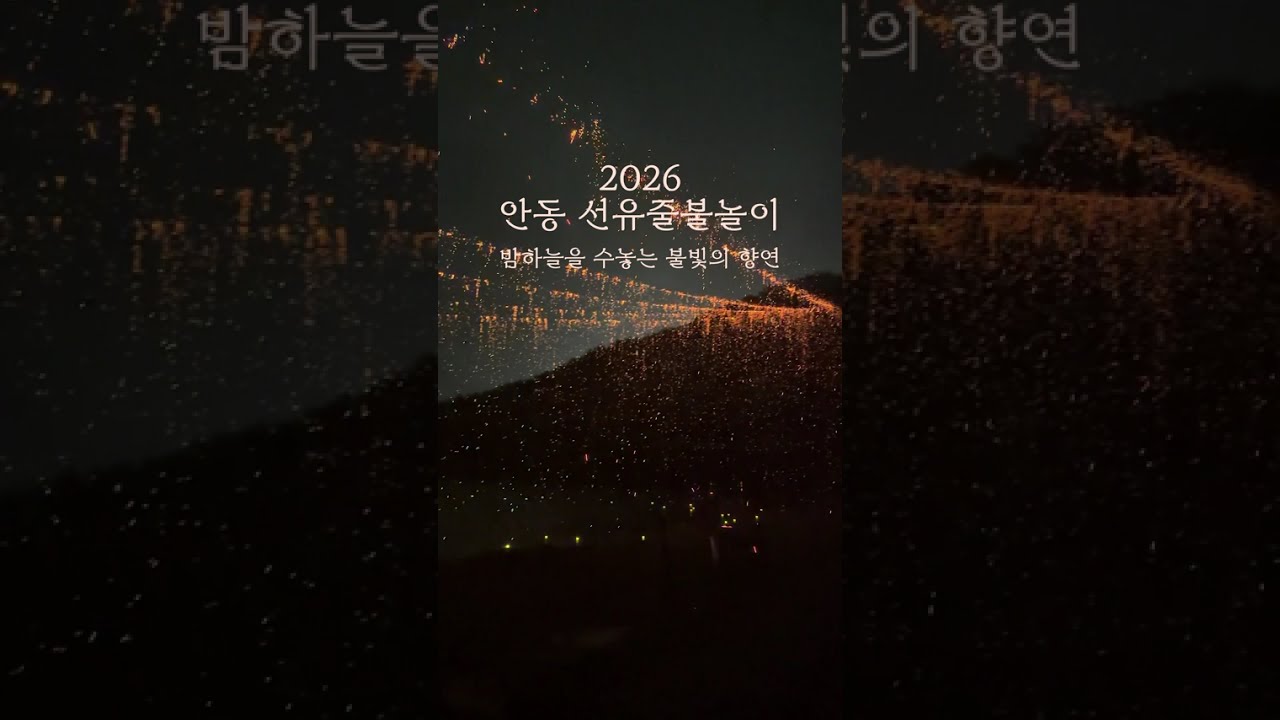
- Light and Fire — Lantern festivals, fireworks festivals. The night is the main event; going during the day means seeing only half of it.
- Music — Outdoor festivals. You'll be standing all day, so comfortable shoes and stamina management are key.
- Agriculture·Harvest — Jipyeongseon Festival-type events. Centered around families and experiential programs.
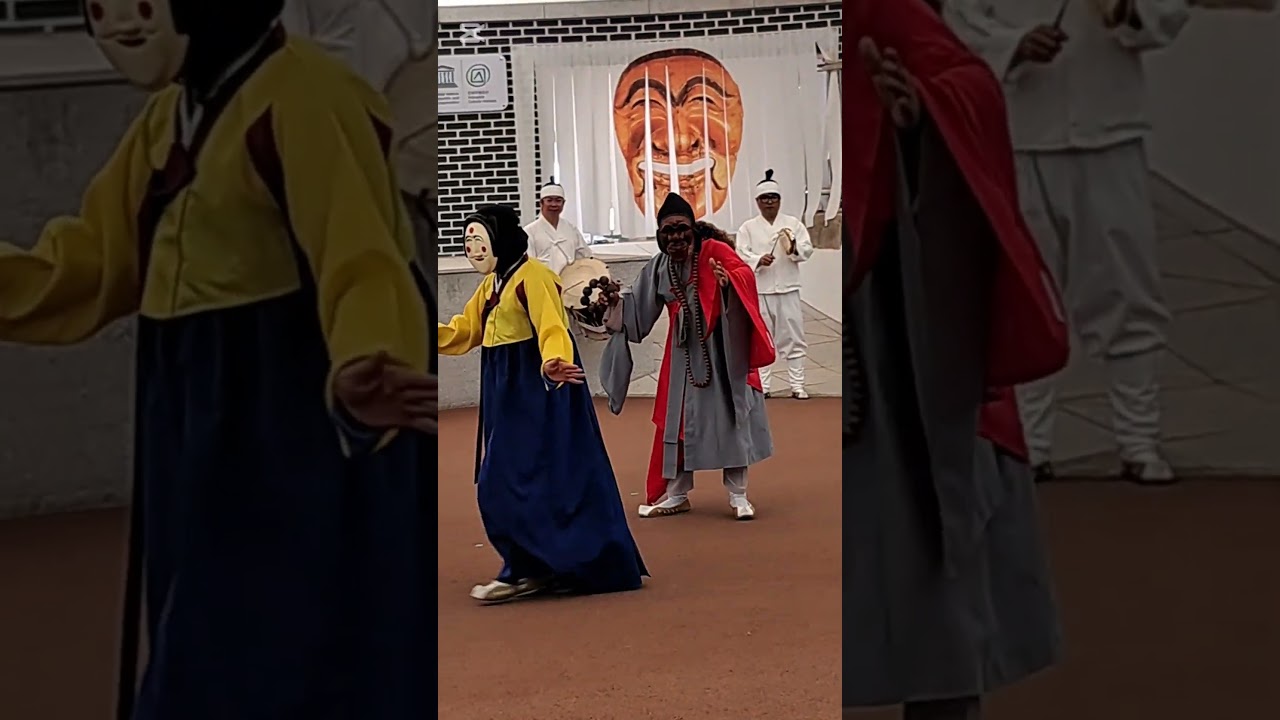
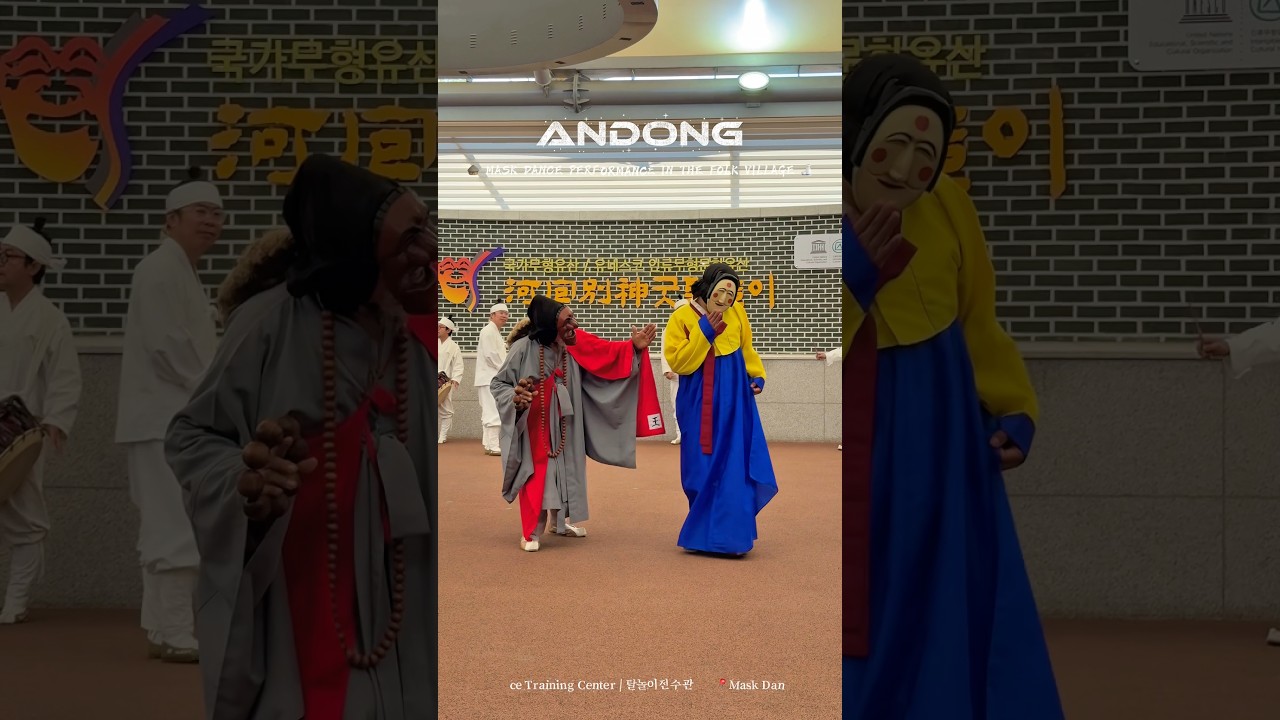
- Tradition·Performance — Talchum (Mask Dance) Festival-type events. Checking the performance schedule in advance is essential to avoid wasted trips.
- Scenery — Eulalia and autumn foliage. It's not a festival, but all about the timing. You can find peak timing by region in the Autumn Foliage Spots section.
Common Experiences at Night Festivals
Autumn night festivals are events where day and night conditions differ. If your preparations are based on daytime conditions, you'll struggle at night.
Parking lots are usually set up in temporary areas away from the festival grounds and connected by shuttle. It's necessary to check, as the last shuttle might depart earlier than the event's end. Nighttime temperatures can drop to single digits from mid-October, so if you choose clothes based only on daytime temperatures, you'll regret it two hours later.
If you plan to take photos, it's more realistic to find a spot where you can lean on a railing rather than using a tripod. Most night festival venues do not have space for tripod setup.
How to Check for Festivals with Unreleased Schedules
Many local festivals announce their confirmed schedules 6-8 weeks before the event. Relying solely on last year's dates can lead to discrepancies.
The typical order for checking is as follows: The festival announcement on the local government's culture and tourism website is the most accurate, followed by the festival's official social media accounts. For large-scale events, the announcement of ticket sales opening can also serve as a signal for schedule confirmation. If you need to book accommodation first, you can reserve under cancellable conditions until the schedule is confirmed.
Things to Note
Which of the October long weekends is less crowded? The Hangeul Day long weekend (Oct 9~11) tends to be relatively less crowded than the Gaecheonjeol long weekend (Oct 3~5). This is because the Gaecheonjeol long weekend overlaps with the opening of the Jinju Namgang Yudeung Festival.
When is the peak for autumn foliage? Northern high-altitude areas like Seoraksan reach their peak in mid-October, central regions in late October, and southern regions and urban areas in early November, in that order. This can shift by about a week depending on the year's temperatures.
What is the typical entrance fee for festivals? Many local festivals are free or cost less than 10,000 won. However, large events that include paid performances or music festivals are different. The Grand Mint Festival's 1-day ticket is 132,000 won, showing a significant difference depending on the scale of the event.
What happens if it rains? Outdoor performances often proceed even in case of rain, but programs like fireworks displays or lantern lightings may be postponed or scaled down. Refund policies vary by event, so it's necessary to check when booking.
Why do festivals cluster in autumn?
The concentration of autumn festivals is a remnant of the agricultural cycle. The brief respite after the harvest and before winter was the only period when village-level events could be held. This is why festivals associated with harvest season, like the Jipyeongseon Festival or Talchum Festival, are still held in October.
Climate conditions also overlap. In September and October, rainfall decreases, humidity drops, and temperatures remain most suitable for outdoor activities. It's also advantageous for planning night events. It's no coincidence that events requiring darkness, like lantern festivals or fireworks festivals, are concentrated during this period.
If summer festivals were about overcoming the heat, autumn festivals are more about the weather being cooperative. The records for the summer season have been left in Summer 2026 Recap.
🗺 Map
Today's Videos
News
![[4K] KiiiKiii Sungshin Women's University Festival Fancam Full 260917](https://i.ytimg.com/vi/iUkb6S9Ylx8/maxresdefault.jpg)





Recommended Videos
News